Introduction
In the rapidly advancing landscape of medical care, registered nurses find themselves at the center of patient administration and treatment. One critical location that has obtained importance in recent times is ventilation monitoring. As even more patients need breathing assistance due to a selection of problems, the demand for specialized training in this domain becomes increasingly vital. This post will delve into the detailed partnership in between nursing and ventilation training courses, emphasizing why every registered nurse ought to invest in these vital educational opportunities.

Why Every Nurse Need to Buy Ventilation Training Courses
Ventilation training programs are created to equip registered nurses with the understanding and skills essential to manage patients needing respiratory system assistance efficiently. These programs encompass a vast array of topics, including fundamental ventilator operation, advanced air passage monitoring, and specific techniques related to tracheostomy care. Comprehending how to run and fix ventilators can substantially boost client end results and reduce complications related to mechanical ventilation.
The Growing Value of Air Flow Skills
With an enhancing variety of patients offering with respiratory system lack or failing, the need for proficient professionals that can supply efficient airway and ventilation management has risen. Nurses play an essential role in tracking people on ventilators, ensuring they obtain suitable degrees of support tailored to their private needs.
The Increasing Duty of Registered Nurses in Ventilation Management
Nurses are no more mere assistants to medical professionals; they are currently integral members of the health care group in charge of straight individual care. This change necessitates that registered nurses possess detailed understanding about different clinical tools, consisting of ventilators.
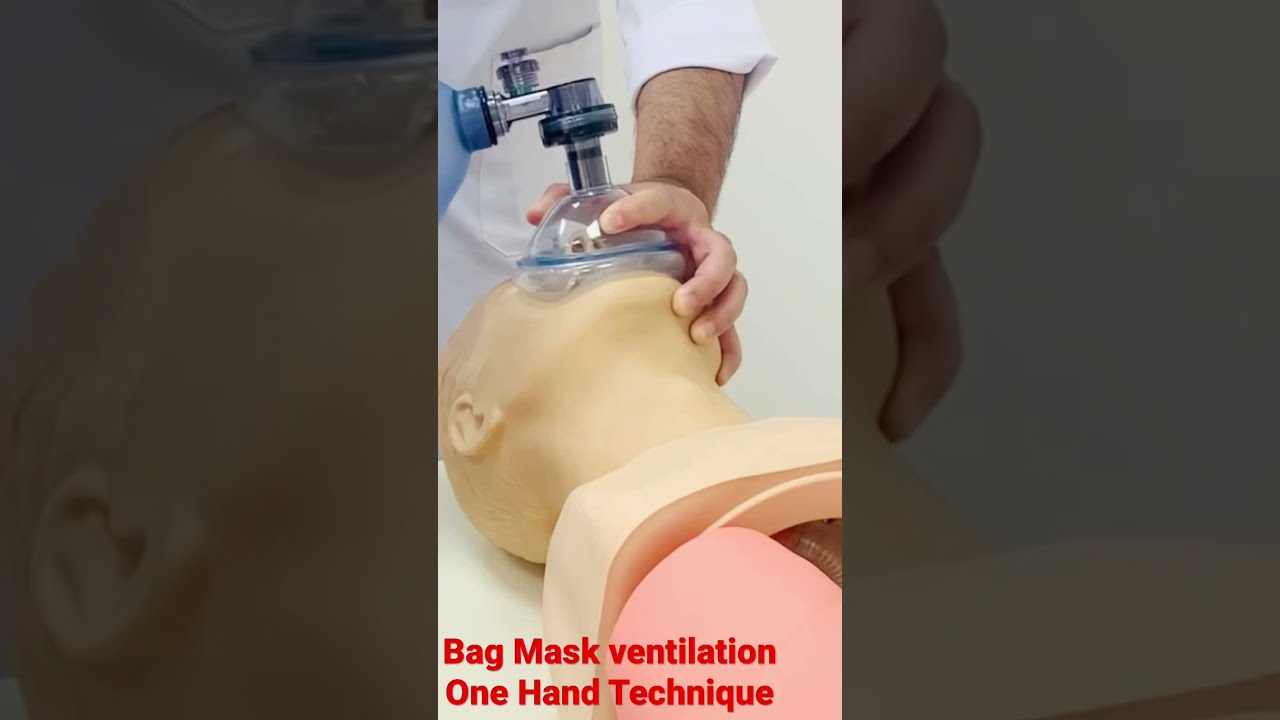
Understanding Mechanical Ventilation- What is mechanical ventilation? How does it vary from manual air flow?
- Why is continuous tracking important for clients on ventilators? What specifications should nurses track?
Real-world Applications of Ventilation Training
In useful settings, registered nurses usually find themselves taking care of intricate instances where timely interventions can indicate the difference in between life and fatality. As an example:
- A nurse trained in ventilator stress support can swiftly adjust setups based upon a client's altering condition. Knowledge gained from a basic ventilator course can assist nurses recognize early indicators of respiratory distress.
Components of Effective Ventilation Training Courses
When thinking about investment in ventilation training courses, it's essential to recognize what these programs commonly cover:
Basic Principles of Ventilation- Introduction to different types of ventilatory support. Basic mechanics behind how ventilators work.
- Tracheostomy and ventilator management. Troubleshooting usual problems experienced during mechanical ventilation.
- Case researches showing real-life circumstances where correct training made a considerable impact. Hands-on session with advanced equipment.
Benefits of Specialized Ventilator Training for Nurses
Investing time and sources right into specialized training yields many advantages:
Enhanced Individual Safety
With advanced understanding comes boosted confidence when looking after critically ill patients on mechanical assistance:
- Understanding potential complications associated with bad airway management. Being able to recognize when treatment is necessary.
Improved Job Complete satisfaction and Occupation Advancement
Nurses outfitted with specialized skills often delight in better job satisfaction due to their enhanced capabilities, leading to occupation development chances:
- Potential roles consist of Scientific Registered nurse Specialist or Respiratory System Nurse Educator.
Types of Ventilation Training Training Courses Available
When discovering alternatives for ventilation training programs, think about the following groups:
Basic Ventilator Course
Created for entry-level registered nurses aiming to construct fundamental knowledge.
NDIS Ventilation Training Course
Concentrated on particular needs connected to people under the National Impairment Insurance Scheme (NDIS).
Advanced Air passage Monitoring Courses

Frequently Asked Questions concerning Ventilation Training Courses
1. What is a fundamental ventilator course?
A fundamental ventilator training course offers fundamental knowledge regarding mechanical ventilation principles, assisting registered nurses recognize how ventilators work and just how to monitor people effectively.
2. For how long do ventilation training courses usually last?
Most courses vary from one day to numerous weeks depending on their complexity and depth.
3. That need to take these courses?
While https://louishpvg141.trexgame.net/designing-an-efficient-ndis-ventilation-training-training-course-best-practices mostly aimed at nurses, other medical care specialists involved in patient treatment may also take advantage of these programs.
4. Exist online alternatives readily available for air flow training?
Yes! Lots of establishments provide hybrid models or totally on-line training courses that enable adaptability while obtaining crucial skills.
5. Is qualification given upon completion?
Most reliable programs supply accreditation upon effective conclusion as proof of competency in managing clients requiring airway support
6. Can ventilation training boost patient outcomes?
Absolutely! Proof recommends that trained personnel can better handle intricate situations leading eventually towards improved health and wellness outcomes for people needing breathing support
Conclusion: Buying Your Future as a Nurse
As we browse with an era noted by considerable technological advancements within healthcare centers across lots of nations internationally, investing time into getting competence such as those offered through various types Of innovative educational programs stays extremely important. The growing importance put upon reliable airway management can not be overemphasized; for ventilation courses that reason it stands clear why every nurse must spend heavily into seeking extensive education and learning around subjects such as "ventilatory techniques". Not just does this lead towards improved occupation leads but likewise furnishes practitioners with required devices needed when providing high quality care under tough conditions.
Ultimately, by prioritizing expert growth with targeted coursework like "ventilator training", you're not simply boosting your skill set-- you're contributing favorably towards far better general medical care distribution systems benefiting countless lives along means. So proceed-- take that jump forward; sign up today!